
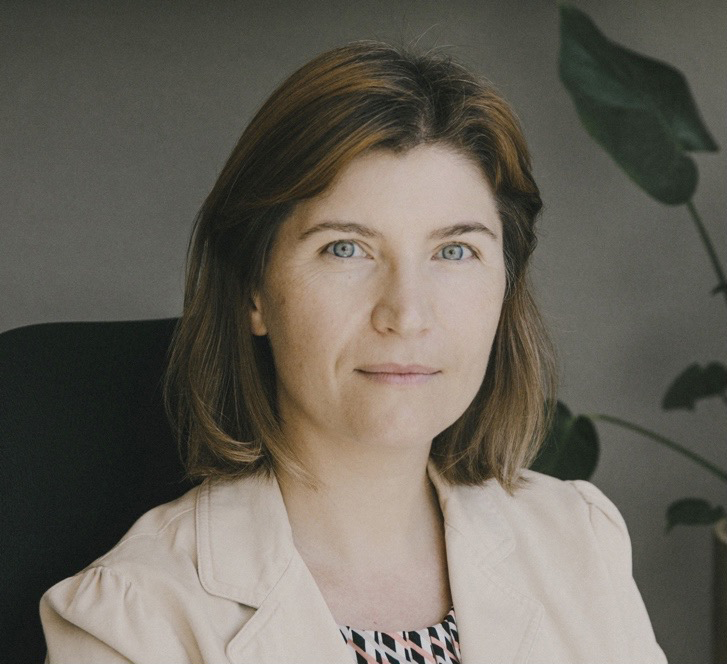
Viviana Gradinaru, Ph.D.
(she/her/hers)
Principal Investigator
Lois and Victor Troendle Professor of Neuroscience and Biological Engineering
Director and Davis Leadership Chair of the Merkin Institute for Translational Research
Investigator, Howard Hughes Medical Institute
Viviana Gradinaru studies brain-body circuits and their dysfunction in neurodegenerative and psychiatric disorders. Motivated by the need to observe and perturb distributed neural circuits with precision and minimal invasiveness, her lab develops powerful neurotechnologies by integrating neuroscience, protein engineering, and data science. These include optogenetic actuators, tissue clearing and imaging methods, and engineered adeno-associated viral vectors (AAVs) that enable targeted gene delivery to the central and peripheral nervous systems via simple intravenous injection, avoiding invasive procedures.
These tools, widely licensed and adopted by thousands of labs, support research into circuits underlying digestion, cardiac function, pain, development, neurodegeneration, and behavior. Gradinaru’s own lab now applies them to study blood-brain barrier (BBB) transport and advance targeted, noninvasive brain repair.
She is a Fellow of the National Academy of Inventors (2022) and AAAS (2021), recognized “for extraordinary achievements in bioengineering and neuroscience.” Her honors include the NIH Director’s Pioneer and Innovator Awards, the Presidential Early Career Award for Scientists and Engineers, and young investigator awards from the Society for Neuroscience and the American Society of Gene and Cell Therapy. She is also a recipient of the Vilcek Prize for Creative Promise and the Innovators in Science Award in Neuroscience. In 2024, she was named a Howard Hughes Medical Institute Investigator and a Carnegie Corporation Great Immigrant.
Prof. Gradinaru is co-founder of Capsida Biotherapeutics, an AAV engineering and gene therapy company with two FDA INDs for epilepsy and Parkinson’s—highlighting the translational potential of basic research for noninvasive, targeted therapeutics that can cross the BBB.
Full CV here.
Postdoctoral Fellows

Seongmin Jang, Ph.D.
POSTDOCTORAL FELLOW
Seongmin received his BS, MS, and Ph.D. in Biology at KAIST. His doctoral thesis focused on understanding the molecular mechanisms of epigenetic gene regulation using an integrative structural biology approach. He determined the cryo-EM structure of DOT1L histone H3 K79 methyltransferase recognizing H2B ubiquitinated nucleosome. In the Gradinaru lab, Seongmin is interested in the structural approach to understanding cell recognition and invasion by engineered AAV.
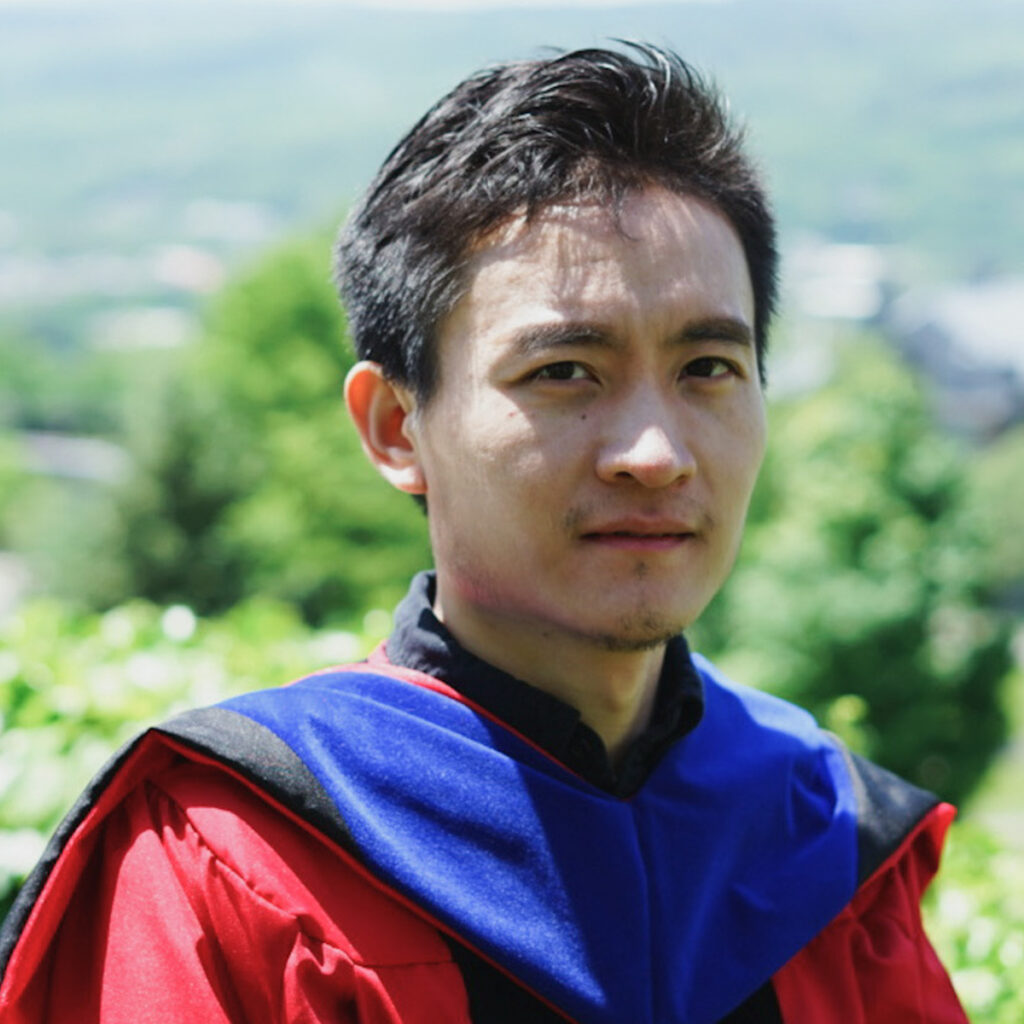
Changfan Lin, Ph.D.
FRIEDREICH’S ATAXIA RESEARCH ALLIANCE POSTDOCTORAL FELLOW
Changfan received his B.S. degree at Tsinghua University, Beijing, China in 2014. He pursued his doctoral degree at Cornell University, USA, with the mentor of professor Brian Crane. His work focused on the understanding of molecular mechanism of drosophila circadian clock and engineering its light sensing protein Cryptochrome for optogenetical applications. He led the project to solve the first cryo-EM structure of protein complex Cryptochrome and Timeless, which are the core components of the circadian rhythm. He joined Gradinaru’s lab in 2021, and he aims to develop AAV shielding strategies to evade undesired immune response for more efficient and safe gene therapy. Besides, he works on AAV engineering for more specific targeting purpose.
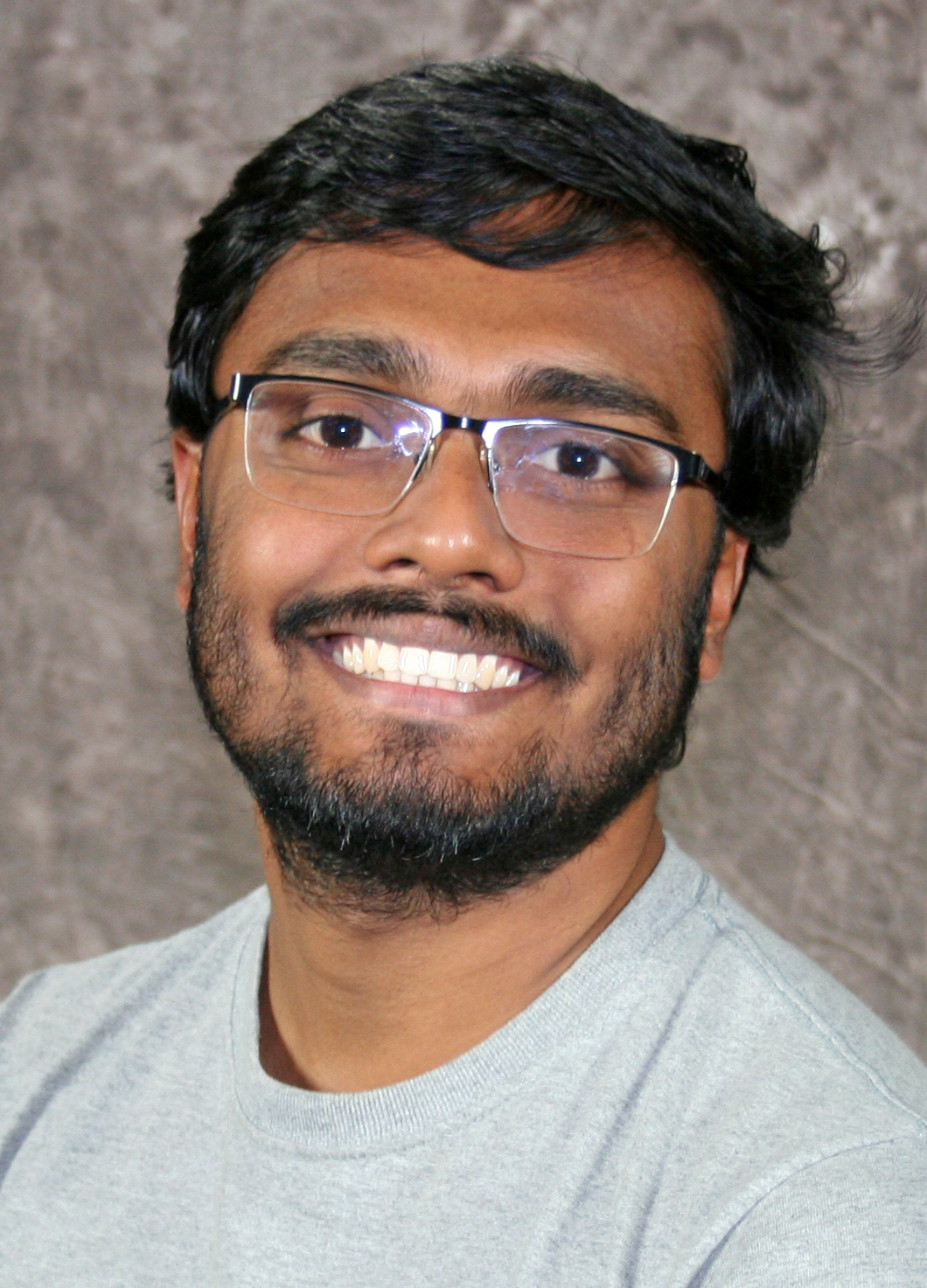
Sayan Dutta, Ph.D.
POSTDOCTORAL FELLOW
Sayan completed his bachelor’s degree in chemistry from Presidency College, Kolkata, India followed by a master’s degree on the same subject from Indian Institute of Technology, Madras, India. After a short stint as a research scholar at Tata Institute of Fundamental Research in India, he went on to pursue his Ph.D. in Interdisciplinary Life Sciences (PULSe) at Purdue University, USA in 2015. During his doctoral studies, he worked on neurodegenerative diseases focusing on prion-like propagation of the protein alpha-synuclein in relation to Parkinson’s disease in rodent and cell-culture models. In the Gradinaru lab, he is interested in studying the gut-brain circuitry underlying Parkinson’s disease and expand along the directions of CNS drug delivery, AAV mediated gene delivery, and optogenetic biosensors.
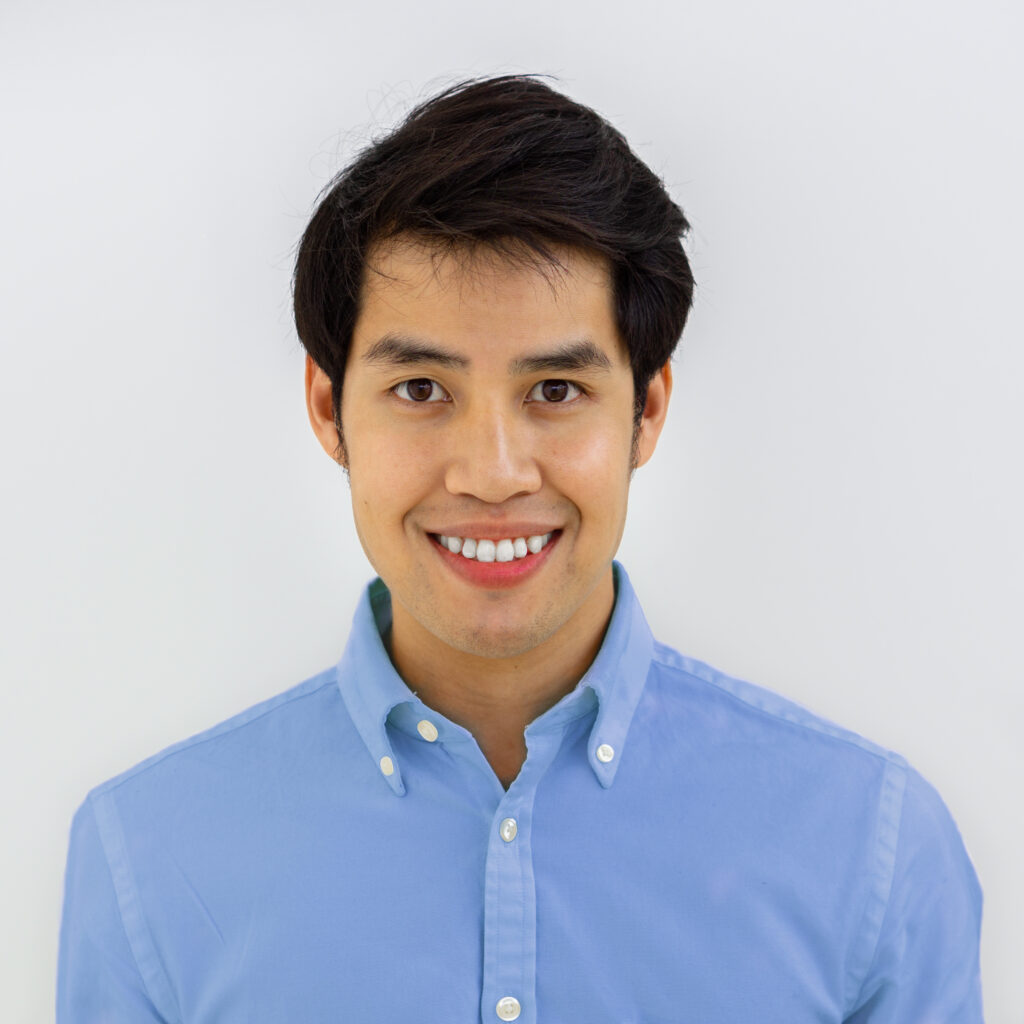
Jonathan Hoang, Ph.D.
POSTDOCTORAL FELLOW
Jonathan received his BS in Biology from the UC Los Angeles in 2014. After finishing his Bachelor’s, Jonathan joined the Matveyenko lab to study the role of circadian disruption in the pathophysiology of type 2 diabetes. He followed up this work by joining the Butler lab where he looked at the role of islet amyloid polypeptide in β-cell death. Jonathan went on to complete his PhD in Molecular, Cellular & Integrative Physiology from UCLA in 2022 under the direction of Dr. Marmar Vaseghi. His doctoral thesis examined the mechanisms underlying parasympathetic dysfunction in a large animal, porcine model of chronic myocardial infarction and the arrhythmogenic consequences thereof. In the Gradinaru lab, Jonathan is excited to explore the gut-brain circuitry in Parkinson’s disease to unravel disease-relevant pathways as part of the ASAP initiative.

Yujie Fan, Ph.D.
PARKINSON’S FOUNDATION POSTDOCTORAL FELLOW
Yujie received her B.S. degree in Biological Sciences from Tsinghua University in 2014. She worked as a Research Associate at NYU Langone Medical Center from 2014 to 2016, focusing on developing lineage tracing techniques. Then she went on to pursue her Ph.D. in Cell and Developmental Biology from Weill Cornell Graduate School, Cornell University. She joined Dr. Lorenz Studer’s lab in the summer of 2017 to conduct her thesis research and has focused her interest on deriving human enteric nervous system (ENS) lineages for the study of ENS development and cell therapy of Hirschsprung’s disease. In the Gradinaru lab, Yujie is interested in studying the Brain-Gut connection using a variety of models, including human stem cells and rodent animals.

Gerry Coughlin, Ph.D.
POSTDOCTORAL SCHOLAR
Gerry received a BSc (Hons) in Psychology, a BSc in Primatology, and a BSc (Hons) in Cellular, Molecular, and Microbial Biology, all from the University of Calgary, Canada. Gerry then received a Ph.D in Neurobiology from Caltech, where he developed spatial biology methods to characterize and understand AAV vector biology, uncovering broad crosstalk between separate AAV vectors and providing new paths for delivery of large cargo. As a post-doctoral scholar in the Gradinaru lab, Gerry is delving further into AAV vector biology, studying cell-type specific responses to AAV vector transduction.

Xuanjia Ye, Ph.D.
POSTDOCTORAL FELLOW
Xuanjia received her B.S. in Biological Sciences from Fudan University in 2019. She completed her Ph.D. in Molecular Biology in Professor Tom Muir’s lab at Princeton University, where her research focused on developing protein-based chemical biology tools to probe biological processes. In the Gradinaru lab, Xuanjia is interested in integrating her background in fundamental epigenetics and chemical biology with AAV engineering and neuroscience research for clinical applications and studies in animal models.

Ye Ji Kim, Ph.D.
SCHMIDT SCIENCE POSTDOCTORAL FELLOW
Ye Ji earned her B.S. and M.S. degrees in Materials Science and Engineering from KAIST, followed by her Ph.D. in the same discipline from MIT. Her M.S. research with Prof. Yeon Sik Jung focused on designing three-dimensional nanostructures for advanced electrochemical catalysts to support low-carbon, hydrogen-based energy technologies. Leveraging her background in nanomaterials engineering and characterization, she transitioned into neurotechnology for her doctoral research in Prof. Polina Anikeeva’s lab, where she developed magnetic nanodiscs for behavioral modulation and therapeutic applications. She then joined the Gradinaru Lab as a postdoctoral researcher to further develop neurotechnology using receptor-targeted AAV evolution strategies aimed at improving the efficiency and specificity of neural circuit investigations.
Graduate Students

Cameron Jackson, B.S.
GRADUATE STUDENT – NEUROBIOLOGY
Cameron received a B.S in Neuroscience, and a B.S in Biochemistry from the University of California, Los Angeles. During his undergraduate, Cameron’s research focused on several topics: mechanisms of sleep homeostasis and circadian rhythms, developing biochemical tools for treatment of chronic sleep loss, and the mitochondrial dynamics of the aging brain. As a graduate student in the Gradinaru lab, Cameron is currently interested in building upon existing spatial transcriptomic approaches for high throughput detection and subsequent modification of targeted AAVs, to increase neuronal subpopulation specificity.

Karan Mahe, B.S.
GRADUATE STUDENT – NEUROBIOLOGY
Karan completed his B.S. in Biochemistry and Molecular Biology from the University of California, Davis in 2019. In his undergraduate research, Karan investigated centrosomal biogenesis and upstream modulators in Li-En Jao’s group. After graduating, Karan joined Lin Tian’s group to engineer genetically encoded fluorescent biosensors for opioid neuropeptides, leveraging their binding kinetics to their conformational changes to spatially and temporally characterize neuropeptide release in the brain. In the Gradinaru group, he is establishing rodent models to investigate in-vivo neuromodulator dynamics and cell activity using gene delivery, activity manipulation, and optical monitoring techniques along the gut-brain axis for Parkinson’s research.

Alex Jin Chung, B.S.
GRADUATE STUDENT – NEUROBIOLOGY, CHEN GRADUATE FELLOW
Alex received his B.S. in Neuroscience with a specialization in data analytics from the University of Southern California. During his undergraduate, he investigated developmentally regulated changes along the cortical basal ganglia pathways, which regulate motor skill learning, in songbirds (Taeniopygia guttata). In the Gradinaru lab, he is working to develop tools for genetic access in the Egyptian spiny mouse (Acomys cahirinus), the only mammalian species known to be capable of regeneration without fibrosis.

Tyler Brittain, B.S.
GRADUATE STUDENT – BIOCHEMISTRY AND MOLECULAR BIOPHYSICS
Tyler received his B.S. degree in Biophysical Chemistry from James Madison University. In his undergraduate research, Tyler explored many avenues of bacterial multiheme cytochrome engineering utilizing spectroscopy and structural methods. As a graduate student in the Gradinaru lab, he is interested in engineering AAVs to improve production and specificity.

Rana Eser, B.A.
GRADUATE STUDENT – NEUROBIOLOGY, KAISER-CALTECH MD-PHD
Rana received her B.A. in Neuroscience from UC Berkeley in 2018. During her time as an undergraduate and for 2 years post-grad she worked in the Grinberg lab at UCSF, studying the neuropathology of Alzheimer’s disease and dementia. Her research focused on investigating the selective vulnerability of neurons across different tauopathies. In 2020 Rana joined the inaugural class of Kaiser Permanente School of Medicine, as part of the MD-PhD program with Caltech. After completing her first two years of medical school she has joined the Gradinaru lab to pursue research in preclinical gene therapy work.

Amanda Wu, B.S.
GRADUATE STUDENT – NEUROBIOLOGY, KAISER-CALTECH MD-PHD
Amanda is an MD/PhD student in the Kaiser Permanente–Caltech program. She earned her B.S. in Neuroscience from UCLA in 2021. Her interest in translational research began as a CIRM SPARK scholar in the Virginia Mattis Lab, where she studied iPSC-derived models of Huntington’s disease. She then spent five years in Clive Svendsen’s lab at Cedars-Sinai, contributing to the development of a combined cell and gene therapy for ALS using GDNF-secreting neural progenitor cells.
After completing her first two years of medical school, Amanda joined the Gradinaru Lab at Caltech, where she studies AAV-based gene therapy and disease modeling for reproductive health and infertility—areas that align closely with her clinical interests in obstetrics and gynecology.
Staff
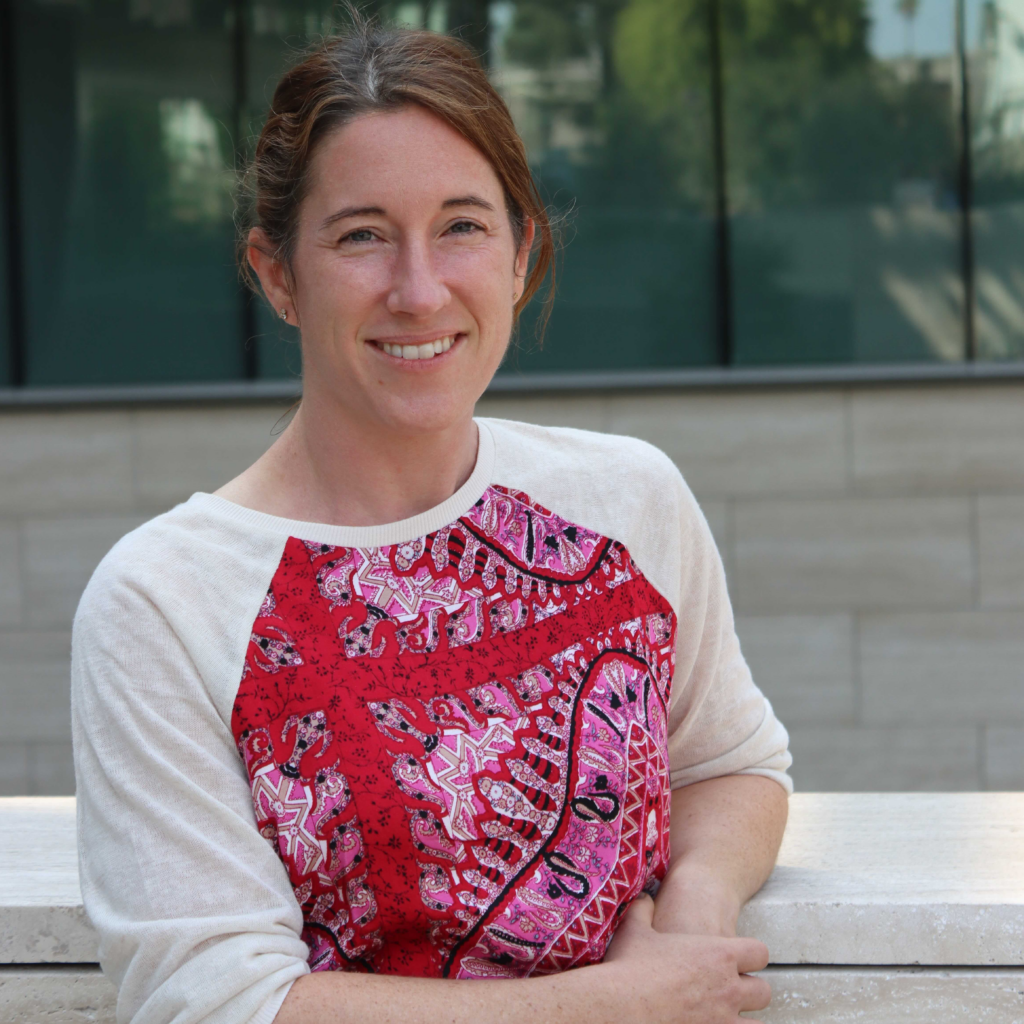
Elisha Mackey, B.S.
(she/her/hers)
LAB MANAGER
Elisha received her B.S in Biological Sciences with an emphasis in Molecular and Cellular Biology from the University of California, Davis. During her undergraduate studies, she worked on various genetic engineering projects involving cultivated and wild tomato plants, gray shag mushrooms, and slime molds. After 4 years at a Biotech startup, she joined Caltech in 2008, studying nicotinic acetylcholine receptors while working with Xenopus frog and mice in Henry Lester’s lab. She has been with the Gradinaru lab since 2015 and enjoys the challenge of supporting such a dynamic lab with an interesting breadth and depth of neuroscience research.

Pat Anguiano
ADMINISTRATIVE ASSISTANT
Pat is our incredible administrative assistant who works at lightning speed to help with everybody’s needs!
Catherine Oikonomou, Ph.D.
PROJECT MANAGER
Catherine received her B.S. from Duke and Ph.D. from Rockefeller University, where she studied yeast cell cycle circuitry with Dr. Frederick Cross. As a research scientist and writer with Dr. Grant Jensen at Caltech, she helped the lab develop and apply cryo-electron tomography imaging to structural cell biology. In 2021, she joined the Gradinaru lab and is excited to serve as project manager for the Aligning Science Across Parkinson’s team.

Fiona Ristic, B.S.
RESEARCH TECHNICIAN
Fiona graduated with a B.S. in Biological Sciences from Cal Poly Pomona University. During her undergrad, she contributed to research at the Durrant Lab, focusing on how the immune system responds to viral encephalitis within the central nervous system.
Lab Alumni
















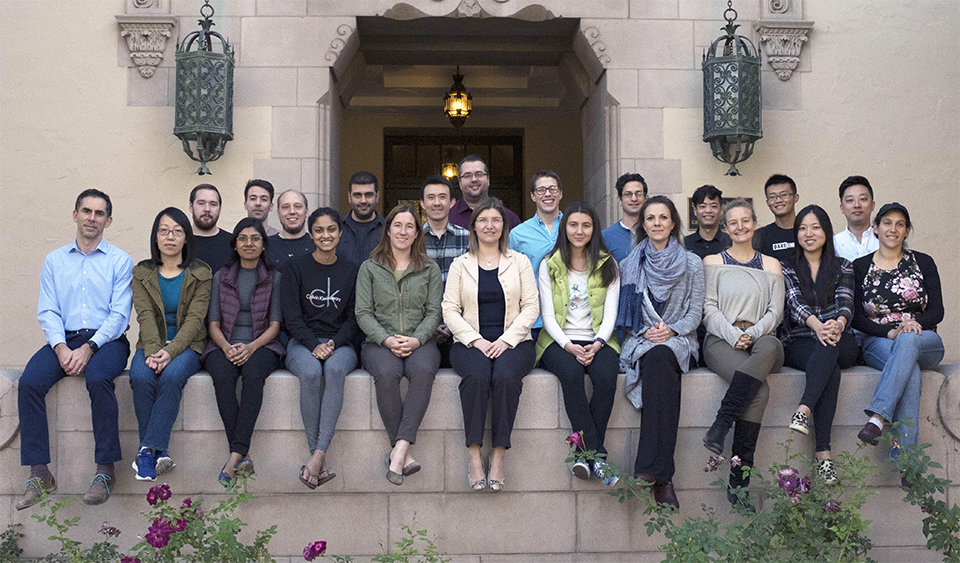
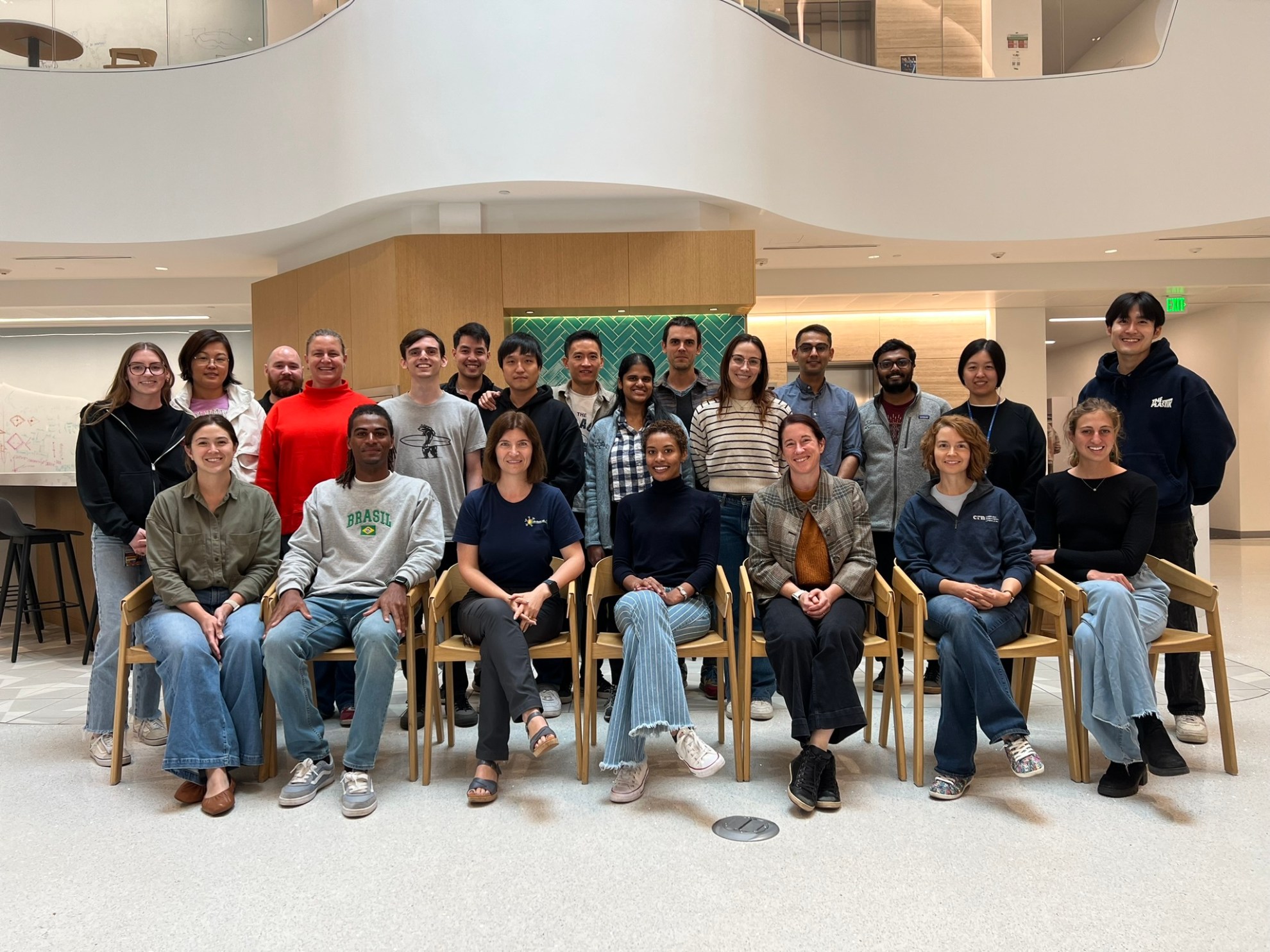
Gradinaru Lab Over the Years